
"Kenyan coffee farming"
1000 article(s) found
Kenya Coffee Tree Kenya Coffee beans Kenya Coffee Farm Kenya AA++
Kenya is bordered to the north by Ethiopia, the origin of Arabica coffee trees, but it was not until the beginning of the 20th century that coffee cultivation began. In the 19th century, missionaries introduced Arabica trees from the leaves, but did not plant them in large quantities. It was not until 1893 that coffee was cultivated on a large scale because of the introduction of Brazil's ancient bourbon seeds. That is to say, Kenyan coffee is of Brazilian origin, because of water.

Characteristics of Kenyan coffee beans Kenyan coffee producing areas
It entered Kenya in the 19th century, when Ethiopian coffee drinks were imported into Kenya through southern Yemen. But it was not until the early 20th century that the bourbon was introduced by the St. Austen Mission (St.AustinMission). Kenyan coffee is mostly grown at an altitude of 1500m, 2100m, and is harvested twice a year. To ensure that only ripe berries are picked, people must be in the forest

Introduction of aromatic, full-bodied, fruity Kenyan coffee beans
Kenyan coffee is aromatic, full-bodied and fruity, with a rich and perfect taste. Kenyan coffee has a wonderful fruit flavor, tastes like BlackBerry and grapefruit, and is a favorite of many coffee gluttons. This coffee has an excellent medium purity, crisp and refreshing taste. It has a fresh flavor and is most suitable for drinking iced coffee in summer. Products

Kenya Wonder Field introduces the flavor characteristics of Kenyan coffee how to drink Kenyan coffee?
Professional coffee knowledge exchange more coffee bean information please follow Coffee Workshop (Wechat official account cafe_style) Kenya is a model country for producing fine coffee beans. Coffee was introduced from Britain in 1900, and only the traditional Arabica did not have the best bourbon species of SL28 and SL34 in Kenya until 1950, all collected water treatment. Graded AA PLUS mining

Description of taste and flavor of manor brand in the production area of Kenyan coffee bean treatment
The characteristics of Kenyan coffee bean production area the taste and flavor of the manor brand description half-washed the picked red fruit into the pulp planer, take out the pectin pods, pour directly into the pectin scraper, just a small amount of water, you can scrape off the pectin layer, remove the smooth pods, and then take outdoor exposure, dehydration to 12% can enter the warehouse. Wash the red fruit in half the sun.

Introduction to the varieties of coffee beans produced by grinding scale and regional treatment in Berman Manor, Kenya
There are two types of coffee farms in Kenya. One is a large plantation that covers an area of more than five acres, but the average elevation is low. In the case of Kenyan coffee, the coffee beans of the large farms are of medium quality. The best Kenyan beans come from small farms, most of which are located in the foothills or volcanic slopes above 5,000 to 6,000 feet. Each small farmer has a capacity of only 20 to 70 bags per season.

Description of flavor characteristics of seven major producing areas of Kenyan coffee beans taste of Kenyan coffee beans treated varieties
Kenyan coffee producing areas introduce altitude, latitude and geology: the equator runs through Kenya, and the border is just within ten degrees of north and south latitude. Belonging to tropical producing areas, there are two rainy seasons every year, with two harvests, with 60% concentrated from October to December and another 40% from June to August. Coffee is mainly grown in volcanic areas around 16002100 meters above sea level from the capital Narobi to the mountains of Kenya. This height

Introduction to the flavor of Kenyan coffee
Kenyan coffee is aromatic, full-bodied and fruity with a rich and perfect taste. Kenyan coffee has a wonderful fruit flavor, tastes like BlackBerry and grapefruit, and is a favorite of many coffee gluttons. This coffee has an excellent medium purity, crisp and refreshing taste. It has a fresh flavor and is most suitable for drinking iced coffee in summer. Taste this.
The types of coffee farms in Kenya introduce the benefits of drinking Kenyan coffee
Following Cafe (official Wechat account vdailycom) found that Kenya Cafe opened a small shop of its own. There are two types of coffee farms in Kenya. One is a large plantation covering an area of more than five acres, but the average elevation is low. In the case of Kenyan Coffee, the coffee beans of the big farm are of medium quality. The best Kenya beans come from small farms, most of which are located in five or six thousand feet.

Introduction of AA grindability treatment method for grading characteristics of Kenyan coffee beans
Kenyan coffee beans only know how to brew, but do not know how to taste coffee, then the original delicacy may become tasteless. Some people taste coffee with the taste of the tongue, while others enjoy the aromatic mellow in the mouth. in addition, it depends on the condition of the body and the atmosphere around the coffee. In short, tasting coffee is a very small thing.

Crisp and refreshing taste of Kenyan coffee manor flavor characteristics of high-quality coffee beans
Aromatic, full-bodied, with fruit flavor, taste rich and perfect. Kenyan coffee has a wonderful fruit flavor, tastes like BlackBerry and grapefruit, and is a favorite of many coffee gluttons. This coffee has an excellent medium purity, crisp and refreshing taste. It has a fresh flavor and is most suitable for drinking iced coffee in summer. When tasting this coffee, if served with pomelo

Introduction of Kenyan Coffee Bean species Kenya Coffee Farm
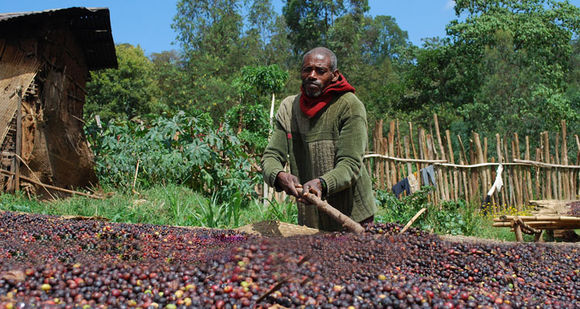
Kenyan coffee is mostly grown at an altitude of 1500m, 2100m, and is harvested twice a year. To ensure that only ripe berries are picked, people must tour the forest about seven times. Kenyan coffee is grown by small farmers. After they harvest the coffee, they first send the fresh coffee beans to the cooperative cleaning station, where the washed and dried coffee is covered with parchment beans.

Taste of Kenyan Sassini Manor Coffee Fine Coffee beans shallow and medium roasted Kenyan Coffee
Kenya is bordered to the north by Ethiopia, the origin of Arabica coffee trees, but it was not until the beginning of the 20th century that coffee cultivation began. In the 19th century, missionaries introduced Arabica trees from the leaves, but did not plant them in large quantities. It was not until 1893 that coffee was cultivated on a large scale because of the introduction of Brazil's ancient bourbon seeds. That is to say, Kenyan coffee is of Brazilian origin, because of water.

Introduction to the Grinding scale of Variety characteristics of Flavor description treatment in Kenya Coffee producing area
There are two types of coffee farms in Kenya, one is a large planting farm covering an area of more than five acres, but the average elevation is low, as far as Kenyan coffee is concerned, the coffee bean quality of the big farm is only medium. The best Kenyan beans come from small farms, mostly in the foothills or fire above 5,000 to 6,000 feet.

Introduction to the flavor of Kenyan coffee
Kenya Coffee Kenya Coffee Kenya is the origin of Arabica coffee trees in Kenya, but it was not until the beginning of the 20th century that coffee cultivation began. Missionaries introduced Arabica trees from the leaves in the 19th century, but did not plant them in large quantities. It was not until 1893 that coffee was cultivated on a large scale after the introduction of Brazil's ancient bourbon seeds.

Kenyan Coffee with Fruit Flavor introduction to Fine Coffee beans
Aromatic, full-bodied, with fruit flavor, taste rich and perfect. Kenyan coffee has a wonderful fruit flavor, tastes like BlackBerry and grapefruit, and is a favorite of many coffee gluttons. This coffee has an excellent medium purity, crisp and refreshing taste. It has a fresh flavor and is most suitable for drinking iced coffee in summer. When tasting this coffee, if served with pomelo

Introduction of Kenyan coffee beans
Kenya is bordered to the north by Ethiopia, the origin of Arabica coffee trees, but it was not until the beginning of the 20th century that coffee cultivation began. In the 19th century, missionaries introduced Arabica trees from the leaves, but did not plant them in large quantities. It was not until 1893 that coffee was cultivated on a large scale because of the introduction of Brazil's ancient bourbon seeds. That is to say, Kenyan coffee is of Brazilian origin, because of water.

Santa Ana volcanic area of El Salvador | Solar beans of Tianqu Farm | Bourbon, Kenyan species sl28, sl34
Professional coffee knowledge exchange more coffee bean information please follow the coffee workshop (Wechat official account cafe_style) El Salvador Santa Ana volcanic area | Tianqu Farm sun beans | Bourbon, Kenyan sl28, sl34 flavor? El Salvador is the smallest country in Central America and the most densely populated country. Coffee beans are the main crops in most regions, but don't.

A brief introduction to the treatment method of grinding degree and baking degree of delicious Kenyan boutique coffee beans
Kenya coffee harvest season there are two harvest seasons in Kenya, the main harvest season is from October to December and the secondary harvest season is from May to July. Large coffee processing farms in Kenya usually have independent processing facilities. A large number of small farmers usually pick ripe coffee fruits by hand. Coffee picking is a labor-intensive job, which requires the whole family to go out or even return during the harvest season.

Coffee large farms and cooperatives Kenyan coffee boutique coffee Kendia flavor
Coffee cultivation in Kenya is mainly divided into two types: large farms (Estate) and cooperatives (Cooperatives). The former generally has a large planting area and has independent coffee processing facilities. Most coffee production is done by a large number of small farmers, who form coffee cooperatives. Coffee cooperative society employs special managers to supervise the coffee of its members.